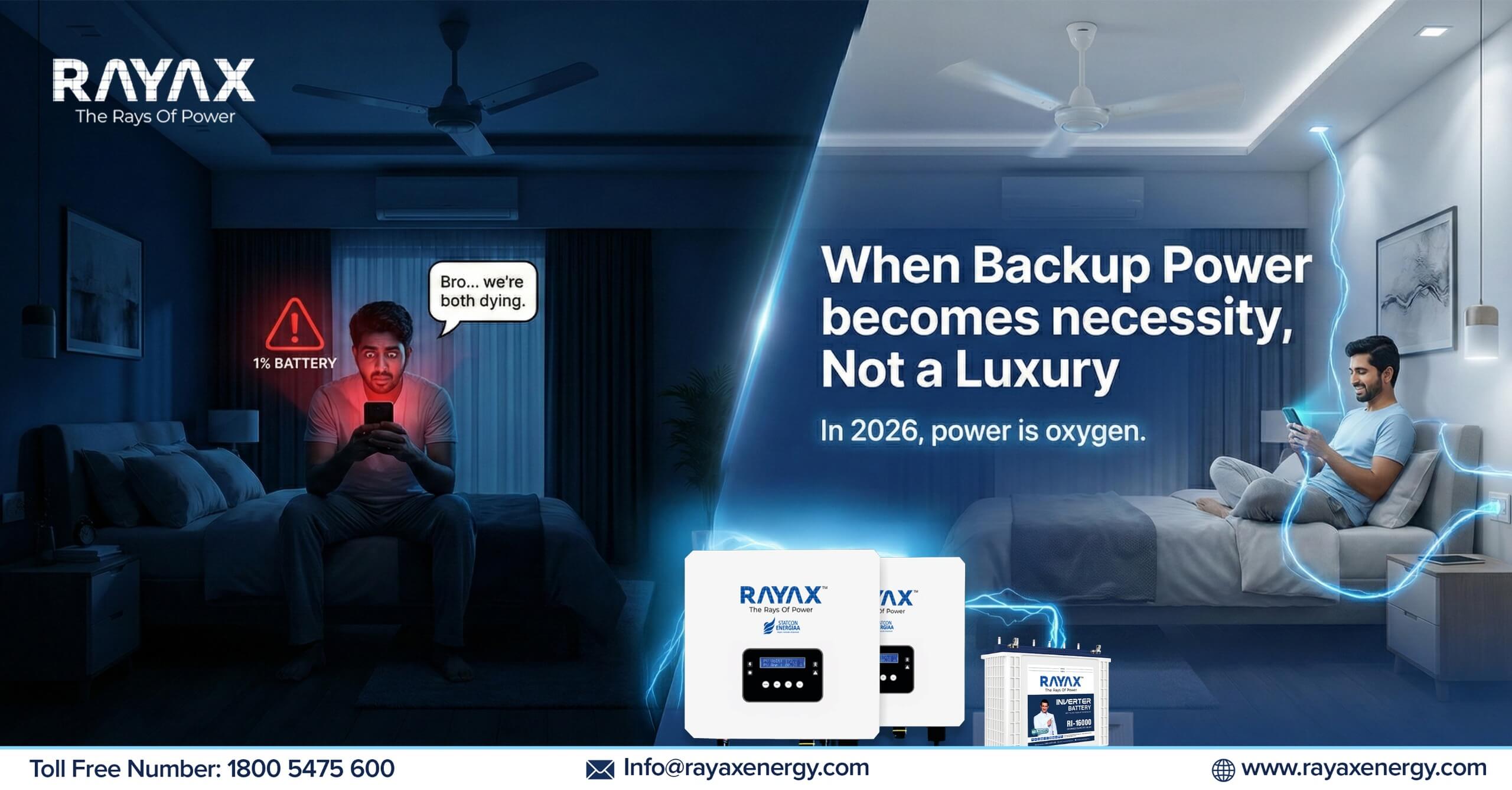
There was a time when power cuts were just a minor inconvenience. You’d light a candle, wait it out, and life would continue as usual. But today, electricity is tied to almost everything we do, work, study, communication, cooking, and even home security. When the power goes out, it doesn’t just slow things down. It disrupts daily life completely. That’s why more homeowners are no longer asking if they should install solar backup. Instead, they’re trying to understand what the best solar system for home actually is and how it can protect them from outages. This guide explains why backup power is now essential and how you can choose a solar system that fits your home and lifestyle.
Why Backup Power Is No Longer Optional
Work and study depend on electricity
Many households now rely on uninterrupted power for remote work, online classes, and digital communication. A single power cut can interrupt meetings, deadlines, or exams.
Example:
You’re in the middle of an important video call, your laptop battery is at 30%, and suddenly the power goes out. The Wi-Fi stops instantly. In a few minutes, your laptop dies too. That one outage could cost you a client, a class, or an opportunity.
Electricity costs keep rising
Monthly electricity bills are increasing in many cities. Families are looking for ways to reduce expenses without sacrificing comfort.
Solar power helps by:
- Providing backup during outages
- Reducing your monthly electricity bill
Modern homes rely on essential appliances
Today’s homes depend on appliances that must run consistently, such as:
- Refrigerators
- Water purifiers
- Wi-Fi routers
- Security cameras
- Medical equipment
These are no longer luxuries. They are part of everyday living.
How Solar Backup Changes the Situation
Traditional inverters depend on grid electricity to charge. When power cuts are frequent, the batteries often don’t get enough time to recharge properly.
Solar systems work differently. They generate electricity directly from sunlight. This means:
- You still get power during long outages
- Your home becomes less dependent on the grid
- You save money over time
This is why many households now consider solar not just an upgrade, but a necessity.
What Makes the Best Solar System for Home
The best system isn’t always the biggest or the most expensive. It’s the one that matches your actual needs.
Step 1: Calculate your essential appliances
Start by listing the items you want running during a power cut. For most homes, this includes lights, fans, a refrigerator, a router, and a laptop or TV. Once you know your basic power needs, it becomes much easier to choose the right system size.
Step 2: Decide how long you need backup
Think about typical outages in your area.
- If cuts last one to two hours, you need a smaller battery.
- If they last most of the day, you’ll need a larger battery capacity.
Your backup duration will directly affect the battery size and overall system cost.
Step 3: Choose the right type of solar system
On-grid system
This system is connected to the electricity grid. It helps reduce your power bills but does not provide backup during outages.
Off-grid system
This system works independently of the grid and provides full backup. It requires batteries and is suitable for areas with unreliable electricity.
Hybrid system
This combines the benefits of both. It stays connected to the grid while also storing energy in batteries for backup. For most households, a hybrid setup is considered the best solar system for home because it offers both savings and reliability.
Simple Action Plan: Get Solar Backup in Five Steps
Step 1: Audit your home’s power needs
Write down the essential appliances you want running during outages.
Step 2: Define your goal
Decide whether your main priority is:
- Backup power
- Lower electricity bills
- Or a balance of both
Step 3: Check your roof space
Make sure you have enough shadow-free roof area. A small home system usually needs around 80 to 100 square feet per kilowatt.
Step 4: Choose the right system size
As a rough guide:
- A 1 kW system suits small homes with essential loads.
- A 3 kW system works for medium-sized households.
- A 5 kW system fits larger families with higher electricity use.
Step 5: Get expert advice
Instead of guessing, it’s better to consult a reliable provider. Many homeowners explore different system sizes, batteries, and components through platforms like Rayax, where solar solutions are designed specifically for residential needs.
The Long-Term Impact of Solar Backup
Financial benefits
- Lower monthly electricity bills
- Protection from future tariff increases
- Return on investment within a few years
Lifestyle benefits
- No disruptions during power cuts
- Peace of mind during extreme weather or grid failures
- Reliable power for work, study, and daily tasks
Environmental benefits
- Reduced carbon footprint
- Clean, renewable energy for your home
- Contribution to a more sustainable future
Common Mistakes to Avoid
Buying a system that’s too big
Oversized systems increase upfront costs without real benefits.
Choosing low-quality batteries
Cheap batteries may fail quickly and cost more in the long run.
Focusing only on price
The cheapest option is not always the most reliable. Look at warranty, performance, and after-sales support.
A Real-World Scenario
A family living in a two-bedroom apartment used to face frequent evening power cuts. Their monthly electricity bill was around ?4,500. After installing a medium-sized hybrid solar system, their bill dropped to nearly ?1,200, and they no longer worried about outages interrupting dinner, homework, or work calls. Within a few years, the system paid for itself. This is the kind of practical impact the best solar system for home can provide.
The Bottom Line
Backup power is no longer about comfort alone. It’s about stability, productivity, and peace of mind. Whether you work from home, have children studying online, or simply want uninterrupted electricity, solar backup is becoming an essential part of modern living. If you’re exploring your options or want to understand which setup suits your home, you can learn more about solar solutions and components at Rayax. It’s a helpful starting point for homeowners ready to move from power cuts to reliable, independent energy.