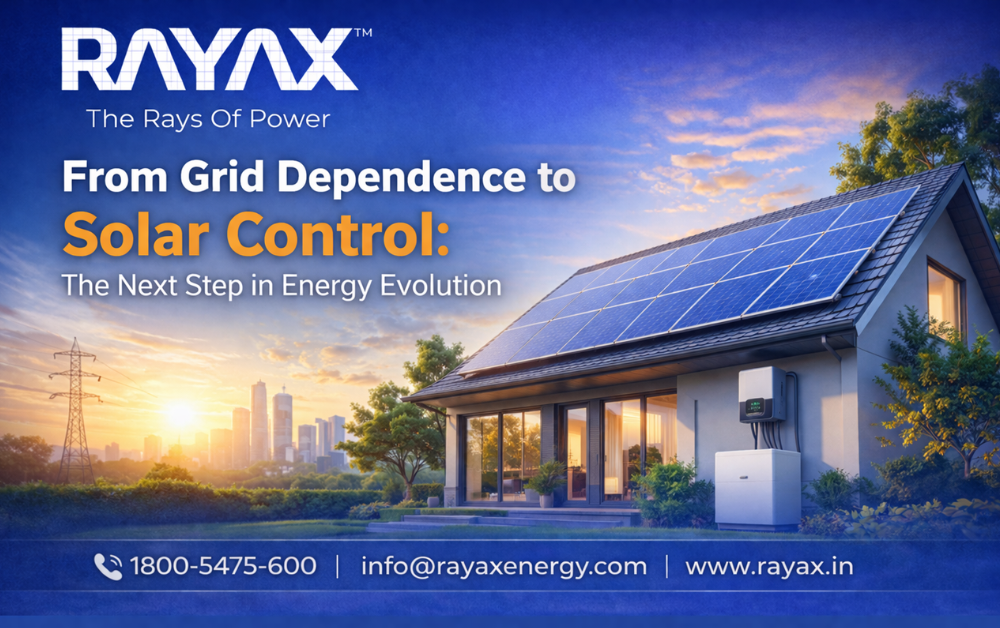
For decades, homes and businesses have relied heavily on centralized power grids. While this system has supported economic growth, it has also exposed consumers to power outages, rising electricity costs, and limited control over energy usage.
Today, a major shift is happening. Advances in renewable technology are allowing individuals and businesses to produce and manage their own electricity. This transition represents an important step in the future of solar energy in India, where energy independence and sustainability are becoming key priorities. Let’s explore how this transformation is reshaping the way power is generated, consumed, and controlled.
Understanding the Traditional Grid Dependency
Traditional electricity systems operate through centralized power plants that distribute electricity through large transmission networks. While effective, this model comes with several limitations.
Common challenges include:
Fluctuating electricity tariffs
Power outages in high-demand periods
Limited control over energy consumption
Dependence on fossil fuels
As energy demand increases, these challenges are encouraging both policymakers and consumers to explore alternative solutions.
The Rise of Decentralized Energy Systems
Solar energy is helping shift power generation from centralized plants to decentralized energy systems. Instead of relying entirely on the grid, homes, offices, and industries can now generate electricity on-site through solar installations.
This shift brings several advantages:
These benefits are a key reason experts believe solar will play a central role in the future of solar energy in India.
How Solar Technology Is Empowering Consumers
Modern solar solutions are no longer limited to large utility-scale projects. Today, solar systems are accessible to residential users, commercial facilities, and small businesses.
Solar technology now allows users to:
Generate their own electricity during daylight hours
Store excess power using battery systems
Reduce dependence on traditional power grids
Monitor energy production digitally
This level of control was not possible in the traditional energy model.
Government Support Accelerating Solar Adoption
India has made significant commitments to renewable energy expansion. National initiatives and state-level policies are encouraging the adoption of solar energy through subsidies, incentives, and infrastructure investments.
Key initiatives supporting solar growth include:
Rooftop solar installation programs
Net-metering policies
Renewable energy targets for the coming decades
Financial incentives for residential and commercial systems
These initiatives are strengthening the long-term outlook for the future of solar energy in India.
Solar Power and the Shift Toward Energy Independence
Energy independence is becoming an important goal for both individuals and organizations. Instead of depending entirely on grid electricity, solar-powered systems allow users to control a significant portion of their energy needs. For homeowners, this means lower monthly bills and protection from rising electricity tariffs. For businesses, solar adoption can improve operational stability and long-term cost efficiency. As technology becomes more affordable and efficient, solar power is expected to become a standard feature in modern infrastructure.
Choosing the Right Solar Solutions
While solar energy offers clear advantages, selecting the right system and installation partner is important for long-term performance.
Factors to consider include:
Quality of solar panels and components
Proper system design and installation
Long-term maintenance and service support
Experience of the solar provider
For individuals and businesses exploring solar energy solutions, platforms like Rayax provide information about solar technologies, installation services, and renewable energy options designed for modern energy needs.
What the Next Phase of Solar Energy Looks Like
The energy landscape is evolving rapidly. With improvements in storage technology, smart energy monitoring systems, and distributed power networks, solar energy is becoming more efficient and accessible than ever before.
In the coming years, we can expect:
Increased rooftop solar adoption
Smarter energy management systems
Greater integration of battery storage
More communities transitioning toward renewable energy ecosystems
These developments are shaping the future of solar energy in India, moving the country closer to a more resilient and sustainable power infrastructure.
Final Thoughts
The transition from grid dependence to solar-powered energy control represents one of the most important shifts in modern energy systems. Solar technology is empowering individuals, businesses, and communities to generate cleaner power while gaining greater control over their energy consumption. As solar solutions continue to advance, they will play a crucial role in building a more sustainable and energy-secure future. For those interested in exploring solar technologies and renewable energy solutions, visiting https://rayax.in/ can provide helpful insights into modern solar systems and how they can support the next stage of energy evolution.